All products ship from our 30,000 sq. ft. Haverhill, MA warehouse
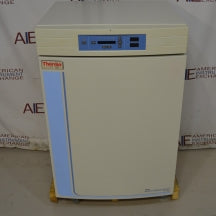
Thermo Forma 3110 Series II Water-Jacketed CO₂ Incubator
The Thermo Forma 3110 Series II CO₂ Incubator is a 6.5 cu. ft. water-jacketed cell culture incubator designed for mammalian cell culture, tissue culture, pharmaceutical research, biotechnology, cancer research, and other applications requiring stable temperature, CO₂, and elevated humidity. Combining a water-jacketed chamber, thermal conductivity CO₂ sensor, in-chamber HEPA filtration, stainless steel interior, and Enviro-Scan microprocessor controls, the Forma 3110 became one of the most widely recognized CO₂ incubator platforms in research laboratories.
Available used and refurbished from American Instrument Exchange, the Thermo Forma 3110 Series II remains a practical option for laboratories that value the thermal stability of a traditional water-jacketed incubator and the contamination-control benefits of continuous HEPA-filtered chamber air. Its approximately 184 L chamber provides useful capacity for routine cell culture while maintaining a familiar footprint for laboratories replacing or supplementing existing Forma incubators.
Key Features
6.5 cu. ft. (approximately 184 L) cell culture chamber
Water-jacketed construction for long-term thermal stability
Temperature range from approximately ambient +5°C to 55°C
0–20% CO₂ concentration range
Thermal conductivity CO₂ sensor
In-chamber HEPA filtration
HEPA system filters the chamber air volume approximately once per minute
Class 100 chamber air quality under specified conditions
Enviro-Scan microprocessor control system
Polished stainless steel chamber
Heated inner glass door
Passive humidification for high-humidity cell culture
Adjustable stainless steel shelving
Audible and visual alarm functions
115V, 50/60 Hz electrical configuration
Professionally inspected and tested by American Instrument Exchange
90-day warranty included
Thermo Forma 3110 Series II Overview
The Thermo Forma 3110 Series II represents a classic approach to CO₂ incubation built around water-jacketed temperature stability and continuously filtered chamber air.
The incubator's water jacket surrounds the culture chamber with a substantial volume of heated water. Once the system reaches its operating temperature, the thermal mass of the water helps buffer the chamber against short-term changes in room conditions and can slow temperature loss during temporary power interruptions.
This characteristic helped make water-jacketed incubators such as the Forma 3110 a longstanding standard in cell culture laboratories.
The chamber provides approximately 6.5 cu. ft. (184 L) of capacity, placing it in the conventional full-size CO₂ incubator class. The polished stainless steel interior accommodates adjustable shelving and provides a durable surface that can be cleaned between experiments or culture campaigns.
The Enviro-Scan microprocessor control system provides centralized monitoring and control of chamber conditions. Temperature and CO₂ settings can be established through the control panel, while configurable alarms help alert laboratory personnel when conditions move outside selected limits.
For laboratories already familiar with older Thermo Forma equipment, the straightforward controls and conventional chamber layout can make the 3110 particularly attractive as a replacement or supplemental incubator.
Common Applications
The Thermo Forma 3110 Series II is particularly well suited for mammalian cell culture, tissue culture, cancer research, stem cell research, immunology, biotechnology, pharmaceutical development, vaccine research, molecular and cellular biology, and other applications requiring a controlled CO₂ atmosphere.
A conventional 37°C and 5% CO₂ environment supports a broad range of bicarbonate-buffered mammalian cell culture media, while the incubator's adjustable 0–20% CO₂ range provides flexibility for protocols requiring different atmospheric conditions.
The 6.5 cu. ft. chamber provides enough capacity for routine research groups working with multiple flasks, plates, dishes, and culture vessels. Adjustable shelving allows the chamber to be configured around different vessel sizes and experimental workloads.
The water jacket can be especially valuable for laboratories conducting long-duration cultures where thermal stability is important. Once equilibrated, the large thermal mass helps resist rapid temperature changes resulting from fluctuations in the surrounding laboratory environment.
The Thermo Forma 3110 provides the temperature, CO₂ concentration, humidity, and filtered chamber environment required for a broad range of conventional cell culture procedures.
Common Cell Types
Mammalian cell lines
Primary cells
Fibroblasts
Epithelial cells
Cancer cell lines
Immune cells
Hybridoma cultures
Stem and progenitor cells
Common pharmaceutical and biotechnology research cell lines
Typical Culture Vessels
T-flasks
Multiwell plates
Cell culture dishes
Petri dishes
Culture bottles
Roller bottles where dimensions permit
Microplates
Suspension culture flasks
The approximately 21.3"W × 20"D × 26.8"H interior provides useful flexibility for both routine and higher-density cell culture. Shelf positions can be adjusted to accommodate different vessel heights and experimental configurations.
Researchers should maintain adequate space around culture vessels to allow chamber air to circulate effectively and avoid unnecessarily blocking the HEPA-filtered airflow pathway.
Contamination Control & Environmental Stability
One of the most distinctive features of the Thermo Forma 3110 Series II is its combination of water-jacketed temperature stability and continuous in-chamber HEPA filtration.
The HEPA filtration system continuously filters recirculating chamber air. Thermo designed the system to filter the equivalent of the entire chamber air volume approximately once every 60 seconds, allowing the incubator to establish Class 100 air quality under specified operating conditions.
For cell culture laboratories, this provides an additional layer of contamination control beyond routine chamber cleaning and good aseptic technique. Airborne particulates introduced during normal door openings are continuously removed as chamber air passes through the filtration system.
This does not make the chamber sterile and does not replace appropriate cell culture practices, but it can help maintain a cleaner incubation environment between routine cleaning procedures.
The heated inner glass door serves another useful purpose. Heating helps reduce condensation on the glass and surrounding chamber surfaces while still allowing researchers to visually inspect cultures without fully opening the incubator.
Humidity is generated passively within the chamber, supporting the high-humidity conditions commonly used for mammalian cell culture and helping reduce evaporation from culture media during extended incubation.
Temperature, CO₂ & Cell Culture Performance
The Thermo Forma 3110 Series II uses a water-jacketed heating system to provide stable temperature conditions throughout the cell culture chamber.
Temperature can be controlled from approximately 5°C above ambient to 55°C on this generation of Model 3110. The water jacket acts as a thermal reservoir surrounding the chamber, helping resist rapid temperature changes and providing stable conditions once the incubator has fully equilibrated.
CO₂ concentration is adjustable from 0% to 20%.
Importantly, Model 3110 uses a thermal conductivity (TC) CO₂ sensor. Thermo produced related Series II models with infrared sensors, but the 3110 designation specifically identifies the TC-sensor configuration. This is an important distinction when evaluating an older incubator or replacing an existing unit.
Thermal conductivity sensors determine CO₂ concentration by measuring changes in the thermal properties of chamber air. Because temperature and humidity influence thermal conductivity, the incubator is designed to operate with the chamber fully equilibrated under normal humidified cell culture conditions.
The Enviro-Scan control system continuously monitors chamber conditions and provides configurable high and low alarm limits. Audible and visual alarms alert users when temperature or CO₂ moves outside established parameters.
A HEPA filter change reminder also helps laboratories keep track of routine filtration maintenance.
Together, the water jacket, thermal conductivity CO₂ control, high-humidity chamber, continuous HEPA filtration, and microprocessor monitoring provide the environmental stability required for conventional cell culture applications.
Thermo Forma 3110 Series II Specifications
Specification
Details
Manufacturer
Thermo Scientific / Forma
Product Series
Forma Series II
Model
3110
Equipment Type
Water-Jacketed CO₂ Incubator
Chamber Capacity
6.5 cu. ft. (approximately 184 L)
Temperature Range
Ambient +5°C to 55°C
Heating System
Water jacket
CO₂ Range
0–20%
CO₂ Sensor
Thermal conductivity (TC)
Oxygen Control
No
Air Filtration
In-chamber HEPA filtration
HEPA Air Exchange
Approximately one chamber volume per minute
Chamber Air Quality
Class 100 under specified conditions
Humidification
Passive
Relative Humidity
High-humidity cell culture environment
Controller
Enviro-Scan microprocessor
Chamber Material
Polished stainless steel
Inner Door
Heated glass
Shelving
Adjustable stainless steel
Interior Dimensions (W × D × H)
Approximately 21.3" × 20" × 26.8"
Exterior Dimensions (W × D × H)
Approximately 26.3" × 25"D × 39.5"H
Electrical Requirements
115V, 50/60 Hz, single phase
Full Load Amps
Approximately 3.6 A
Configuration
Single chamber
Thermo produced several closely related Forma Series II configurations. Model 3110 specifically identifies the 115V single-chamber version with a thermal conductivity CO₂ sensor and without oxygen control. Confirm shelving, electrical requirements, water-jacket condition, HEPA filtration components, accessories, and other specifications for the individual incubator before purchase.
Thermo Forma 3110 Series II Frequently Asked Questions
What is the advantage of a water-jacketed CO₂ incubator?
A water jacket surrounds the chamber with a large volume of heated water. Once the incubator reaches its operating temperature, this thermal mass helps provide excellent long-term temperature stability and resistance to short-term changes in laboratory conditions. It can also slow temperature loss during a temporary power interruption.
What type of CO₂ sensor does the Thermo Forma 3110 use?
The Forma 3110 uses a thermal conductivity CO₂ sensor. Thermo offered related Series II incubators with infrared sensors, but the Model 3110 designation specifically corresponds to the TC-sensor configuration.
Does the Forma 3110 have HEPA filtration?
Yes. The Series II 3110 incorporates an in-chamber HEPA filtration system designed to filter the equivalent of the chamber air volume approximately once every minute. Under specified conditions, the system can establish Class 100 chamber air quality.
What is the difference between the Forma 3110 and 3120?
Both are single-chamber water-jacketed Series II CO₂ incubators, but the primary difference is the CO₂ sensor. The 3110 uses a thermal conductivity sensor, while the 3120 uses an infrared CO₂ sensor. Both were produced in 115V configurations.
Is the Thermo Forma 3110 suitable for mammalian cell culture?
Yes. The Forma 3110 was designed specifically for mammalian cell and tissue culture. Its temperature control, adjustable CO₂ concentration, elevated humidity, HEPA-filtered chamber air, and 6.5 cu. ft. capacity support a wide range of conventional cell culture applications.
Does the Forma 3110 control oxygen?
No. The standard Model 3110 does not provide oxygen control. Thermo offered other Series II configurations, including the 3130 and 3140, for laboratories requiring controlled oxygen in addition to CO₂.
Why might a laboratory still choose an older Forma 3110?
The Forma 3110 became widely used because of its water-jacketed thermal stability, straightforward controls, full-size 6.5 cu. ft. chamber, HEPA filtration, and established cell culture performance. A properly functioning refurbished unit can remain a practical choice for laboratories that do not require newer features such as touchscreen interfaces, automated high-temperature sterilization, or modern connectivity.
Is this Thermo Forma 3110 Series II refurbished?
Used Thermo Forma 3110 Series II incubators offered by American Instrument Exchange are inspected, cleaned, and tested prior to shipment. Temperature performance and CO₂ concentration are evaluated to verify chamber conditions and the accuracy of the controls and readouts. The heating system, water jacket, thermal conductivity CO₂ sensor, HEPA filtration, alarms, door components, and other installed functions are tested as applicable, with components replaced as necessary. Refurbished equipment includes a 90-day warranty.
Click Hereto see the Thermo Forma 3110 Series II CO2 incubator on the American Instrument Exchange YouTube channel.
Click Hereto read a review of this product on our blog!
Testing Procedures for Used and Refurbished Laboratory Incubators Ensure Quality and Stability Before Use
Used and refurbished laboratory incubators from American Instrument Exchange are thoroughly tested to ensure optimal performance and temperature stability with laboratory safety standards. Each unit undergoes a detailed inspection and functionality assessment to meet the needs of research, clinical, and industrial labs.
Why Testing Used Laboratory Incubators Is Essential
Before a laboratory incubator is reintroduced into any work environment, it must be tested for:
• Temperature uniformity and accuracy
• Airflow and humidity control (if applicable)
• Door seal integrity and insulation effectiveness
• Electrical and safety system compliance
Comprehensive testing reduces the risk of culture loss, contamination, and equipment failure—especially critical in applications involving cell culture, microbiology, pharmaceutical research, and diagnostics.
Our multi-point testing protocol for used and refurbished incubators ensures reliability, safety, and performance across all models and brands.
Key Testing Procedures for Refurbished and Used Laboratory Incubators
1. Initial Visual Inspection
• Check for cosmetic damage, corrosion, and wear to exterior surfaces, door hinges, and gasket seals
• Inspect power cord, wiring, and display panel for any defects or signs of tampering
• Confirm that shelves, chamber components, and internal fixtures are present and undamaged
2. Functional Testing
• Power on the incubator and verify all display indicators and alarms function correctly
• Test door latch and seal mechanisms for proper closure and insulation
• Run basic temperature cycles to ensure the unit maintains stability over time
3. Temperature Accuracy and Uniformity Tests
• Test internal sensors and controllers using temperature probes
• Measure temperature consistency at multiple chamber locations over several hours
• Confirm that programmable temperature settings respond accurately
4. Airflow and Humidity Control (if applicable)
• Test internal fan operation and airflow distribution
• For humidified incubators, inspect and test humidity reservoirs, sensors, and control systems
• Check for condensation buildup and confirm environmental stability
5. Electrical Safety and Compliance Checks
• Ensure all electrical components are properly grounded
• Perform insulation resistance and leakage current tests
• Verify compliance with current electrical safety standards for laboratory equipment
6. Final Quality Assurance Checklist
• Perform full cycle testing at various temperature setpoints
• Document performance benchmarks and results
All refurbished incubators from American Instrument Exchange are backed by our commitment to quality and precision. With our strict testing procedures, you can rely on your incubator to deliver dependable results from day one.
Repair and Refurbishment Protocol for Used Laboratory Incubators Performance and Quality from American Instrument Exchange
At American Instrument Exchange, every used laboratory incubator we sell goes through a repair and refurbishment protocol. Whether it’s a standard, CO₂, or refrigerated incubator, our goal is to restore each unit to laboratory-level performance—ensuring temperature accuracy, environmental stability, and long-term reliability in your lab.
Why Choose a Refurbished Laboratory Incubator from American Instrument Exchange?
• Fully tested for performance and safety
• Backed by a warranty
• Cost-effective alternative to new equipment
• Environmentally sustainable through reuse and restoration
• Refurbished by expert technicians with decades of lab equipment experience
Step-by-Step Refurbishment Protocol
Every incubator at American Instrument Exchange follows this comprehensive, multi-stage process:
1. Initial Intake & Inspection
• Visual inspection for cosmetic wear, corrosion, dents, or broken components
• Mechanical assessment of door hinges, gaskets, seals, and chamber components
• Document any missing parts or issues requiring repair or replacement
2. Cleaning and Decontamination
• Thorough internal and external cleaning using non-abrasive solutions
• Decontamination/cleaning of surfaces to remove biological, chemical, or particulate residue
• Cleaning of removable parts (e.g., shelves, trays, etc.)
3. Mechanical and Electrical Repair
• Repair or replacement of worn mechanical components such as door latches, fans, hinges, and seals
• Evaluation and repair of control panels, switches, thermostats, and displays
• Inspection and testing of wiring, fuses, relays, and power supplies
4. Environmental Control System Assessment
• For CO₂ incubators: CO₂ sensors, regulators, and gas delivery systems are tested
• For refrigerated incubators: compressors, condensers, and cooling systems are evaluated for performance and leaks
• Fan motors and airflow systems are tested to ensure uniform environmental conditions
5. Temperature and Sensor Testing
• All temperature sensors and controllers are tested using thermometers/probes
• Uniformity and accuracy tested at multiple chamber locations
• For humidified or CO₂ incubators, humidity and CO₂ stability are verified
6. Safety System Testing
• Test of over-temperature protection systems and alarms
• Evaluation of door sensors, safety interlocks, and power failure recovery
7. Final Quality Control and Documentation
• Full performance test run over 24 hours
• Validation of setpoints for temperature, CO₂ (if applicable), and humidity (if applicable)
• Final inspection and cleaning before packaging
• Complete service report
Trust the Experts at American Instrument Exchange
With over 50 years in the lab equipment industry, American Instrument Exchange is a trusted source for high-quality refurbished laboratory incubators. Our proven refurbishment protocol ensures every unit is reliable, accurate, and ready to meet the demands of your lab from day one.
Warranty Information
All used equipment sold by American Instrument Exchange is refurbished/reconditioned, tested to meet specifications, cleaned, and comes with a 90-day warranty from the date of shipment unless otherwise specified. New products include a warranty from the manufacturer. Your warranty is only valid if you have paid your invoice. If your invoice is over 30 days old, warranty work will not be performed until your invoice is paid in full. American Instrument Exchange is not liable for any special or consequential damages that result from the use of, or the inability to use, the materials on this site or the performance of the products,
Exceptions include international sales and items that are agreed to be sold with a lesser warranty or items that are agreed to be sold “as is.”
Should there be visible shipping damage to packaging or concealed shipping damage to item(s) supplied, buyer must communicate such damage to the delivering entity or carrier upon receipt first and to American Instrument the same day item is accepted / signed for. Failure to do so voids warranty. Customer decision to involve / procure third party or OEM service other than American Instrument or AIE assigned vendors to resolve in-warranty instrument failure or defect without first placing a service call to American Instrument voids warranty.
Return & Cancellation Policy
American Instrument Exchange will authorize the return of and issue a full refund for any equipment that is not working as represented and could not be replaced or repaired to the customer’s satisfaction by AIE or a representative of AIE during the warranty period. Returns without prior authorization and an RMA number will not be accepted.
Customers are responsible for proper packaging of the equipment and all included accessories. American Instrument will pay for insurance and shipping costs. Non-inventory items bought specifically to fill customer orders may possibly be returned, but on a case by case basis.
Customers who cancel orders after refurbishing has begun or after delivery where there are no equipment performance issues may be subject to a Restocking/Cancellation Fee of 20% or more and responsible for shipping costs for both the delivery and return.
Ongoing and Extended Support Options
American Instrument Exchange is able to provide additional repair and support services outside the warranty terms for most products that sell.
For biosafety cabinets, clean benches, chemical fume hoods, and other clean air products our team at AIE Laboratory Services can provide certifications, repairs, decontaminations, and other services for customers throughout New England, and guidance and limited technical assistance for any customers in the US and Canada for new or refurbished biosafety cabinets purchased from American Instrument Exchange.
For all other products, the repair service team at American Instrument Exchange can provide both field and depot repair evaluations. We can easily schedule and coordinate the pick-up and transportation of your malfunctioning equipment. By offering hourly rates lower than most OEM service providers and eliminating travel time for technicians, we help reduce repair costs. Furthermore, our lab depot repair service minimizes or eliminates scheduling delays. Our experienced service technicians are qualified to restore your equipment to factory specifications.
Yes, all equipment from American Instrument Exchange comes with a warranty. Used/reconditioned/refurbished equipment is tested to make sure it operates to the manufacturer's specifications and comes with a 90-day warranty (unless otherwise noted). New equipment comes with a warranty from the manufacturer.
How do you test and recondition the equipment?
Testing requirements vary across all the equipment categories we sell. Temperature controlled units are tested with NIST traceable probes and data loggers. Gaskets, external housing, glass, handles, controls and control screens are all thoroughly inspected for integrity and functionality. We test all equipment using the manufacturer's parameters and specifications to confirm that the unit operates properly.
How do products ship from American Instrument Exchange?
We can ship products both nationally and internationally using a well-established network of transporters. Smaller items will ship via UPS. Larger equipment will be palletized and shipped either LTL or air-ride, depending on the specific equipment and/or delivery requirements.
Return and order cancellation policy
American Instrument Exchange will accept the return of any product that is not working as represented and could not be replaced or repaired to the customer's satisfaction during the warranty period. Customers who cancel orders after refurbishing has begun will be subject to a cancellation and restocking fee of between 20% and 40%.
Are discounts available for educational or non-profit institutions, or for bulk purchases?
Yes – call or email us today with a list of equipment you're looking for and we can potentially put together a quote that includes a discount.
How does your price matching policy work?
We strive to keep our pricing competitive and reasonable. If you find comparable items for sale at a lower price from other vendors please send us a link and or quote for the item and we'll do our best to match or beat the price.
Can I see the equipment in person before committing to a purchase?
Customers are welcome to make an appointment to view equipment in our warehouse. Given our workload we may not be able to test or clean the equipment prior to your arrival if you have not committed to an order.
1023 Western Avenue is a working warehouse, not a showroom, and customers should dress appropriately and wear closed toe shoes.
Can I ship products that I purchased elsewhere to American Instrument for repair?
Yes – please see our repair services page for more information.